
Tiempo en Maramureș
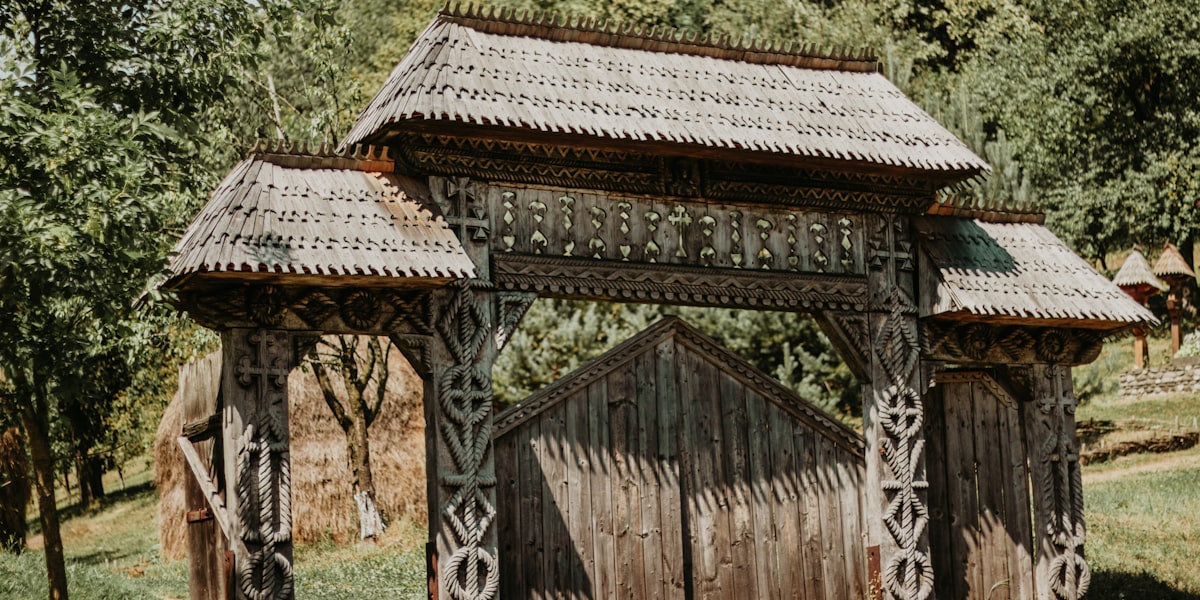
Iglesias de madera, pueblos tradicionales y naturaleza virgen
Maramureș en el noroeste de Rumanía tiene un clima fresco y húmedo influenciado por los Cárpatos. Los inviernos son fríos con nevadas significativas; los veranos son agradables y verdes.
Temperaturas medias mensuales
Principales atracciones & actividades
Aspectos destacados
- Iglesias de madera UNESCO
- Cementerio Alegre de Săpânța
- Tren de vapor del Valle Vaser
- Pueblos tradicionales de Maramureș
- Valles fluviales Izei y Viseu
- Senderismo en los Montes Rodna
Actividades
- Iglesias de madera
- Turismo rural
- Senderismo
- Festivales tradicionales
- Photography
Explorar otras regiones
Video guide
Preguntas frecuentes
What is the climate like in Maramureș?
Maramureș in northern Romania has a cool, temperate mountain climate. Winters are harsh (-5 to -10°C) with heavy snowfall. Summers are mild (20–24°C) and green. Spring and autumn are scenic but wet.
When is the best time to visit Maramureș?
June–August offers the most reliable weather for outdoor activities and exploring wooden churches. December–February is magical for traditional Christmas celebrations and winter landscapes, though roads can be challenging.
What is Maramureș famous for?
Maramureș is renowned for its traditional wooden churches (several UNESCO World Heritage sites), the Merry Cemetery in Săpânța, folk crafts, and one of Romania's most authentic rural ways of life.
How cold does Maramureș get in winter?
Winters in Maramureș are cold and snowy — temperatures regularly drop to -10°C and occasionally to -20°C in January. Snow cover typically lasts from December to March.